How Counterfeiting Affects Your Brand and How to Combat It
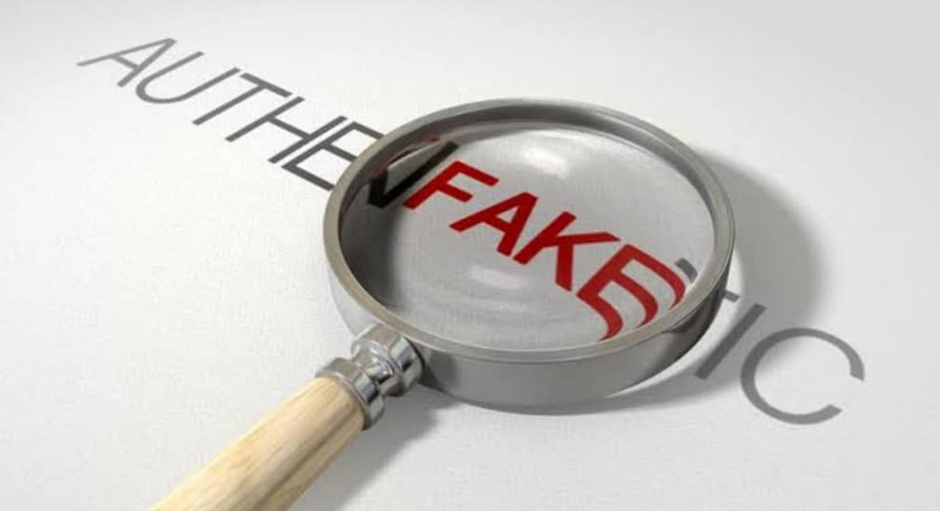
In today's interconnected global market, the issue of counterfeiting presents a significant challenge for businesses across various sectors. Whether you're in fashion, technology, pharmaceuticals, or any other industry, counterfeit products can severely impact your brand's reputation, financial health, and consumer safety. Understanding the implications of counterfeiting and implementing effective strategies to mitigate its effects are crucial for safeguarding your brand's integrity and longevity.
The Impact of Counterfeiting on Your Brand
Counterfeiting can have profound negative consequences for your brand:
Financial Loss: Counterfeit goods undercut legitimate sales, reducing revenue and profitability. Price-sensitive consumers may opt for cheaper counterfeit alternatives, further eroding your market share.
Reputation Damage: Inferior quality counterfeit products can tarnish your brand's reputation. Consumers who unknowingly purchase counterfeit items may associate the poor quality with your genuine products, leading to distrust and dissatisfaction.
Legal and Regulatory Risks: Dealing with counterfeiters involves legal battles and regulatory challenges, diverting resources and time away from core business activities.
Consumer Safety Concerns: Counterfeit products, especially in sectors like healthcare and electronics, can pose serious health and safety risks to consumers, leading to potential liabilities and lawsuits.
Brand Equity Erosion: Brands invest heavily in building trust and perceived value. Counterfeiting undermines these efforts by associating your brand with substandard products, impacting long-term brand equity.
Strategies to Combat Counterfeiting
While eliminating counterfeiting entirely may be challenging, proactive measures can significantly reduce its impact:
Implement Anti-Counterfeiting Technologies: Incorporate advanced technologies such as unique identifiers, QR codes, and holograms into your products to enable easy authentication and tracking.
Educate Consumers: Raise awareness among consumers about the risks associated with counterfeit products and educate them on how to identify genuine items. Clear labeling and packaging can help differentiate your authentic products.
Monitor and Enforce: Regularly monitor online marketplaces, social media platforms, and physical markets for counterfeit goods. Collaborate with law enforcement agencies and industry associations to enforce intellectual property rights.
Secure Supply Chains: Implement robust supplier vetting procedures and secure distribution channels to prevent unauthorized production and distribution of counterfeit products.
Legal Action: Pursue legal action against counterfeiters to deter future infringements. Work closely with legal experts specializing in intellectual property rights to protect your brand's interests.
Build Consumer Trust: Foster open communication with consumers and address any concerns promptly. Building a strong relationship based on transparency and reliability can enhance brand loyalty and mitigate the impact of counterfeit incidents.
Conclusion
Counterfeiting poses a serious threat to brands across various industries, impacting revenue, reputation, and consumer trust. By adopting a proactive approach that includes technology adoption, consumer education, collaboration, and stringent enforcement measures, businesses can effectively combat counterfeiting and protect their brand integrity. As the global marketplace evolves, staying vigilant and adaptable in combating counterfeit activities is essential for sustained success and resilience in an increasingly competitive environment. Protecting your brand against counterfeiting not only safeguards your business interests but also reinforces trust and loyalty among your valued consumers.


Comments